The formalization and empowerment of the informal sector require more than isolated interventions; they demand sustainable, multi-layered ecosystems. Recognizing this, MUFIS and DAPP have forged a landmark collaboration that leverages their unique organizational strengths to drive long-term structural change.
This joint initiative seamlessly combines targeted capacity building with practical, field-level resources, establishing a robust blueprint for how civil society and labor organizations can co-create economic resilience. As the partnership hits key milestones, it highlights a shifting paradigm in how vendors who sell second hand clothes can take a lead in the development of the country.
A Synergy Built on Shared Economic Goals
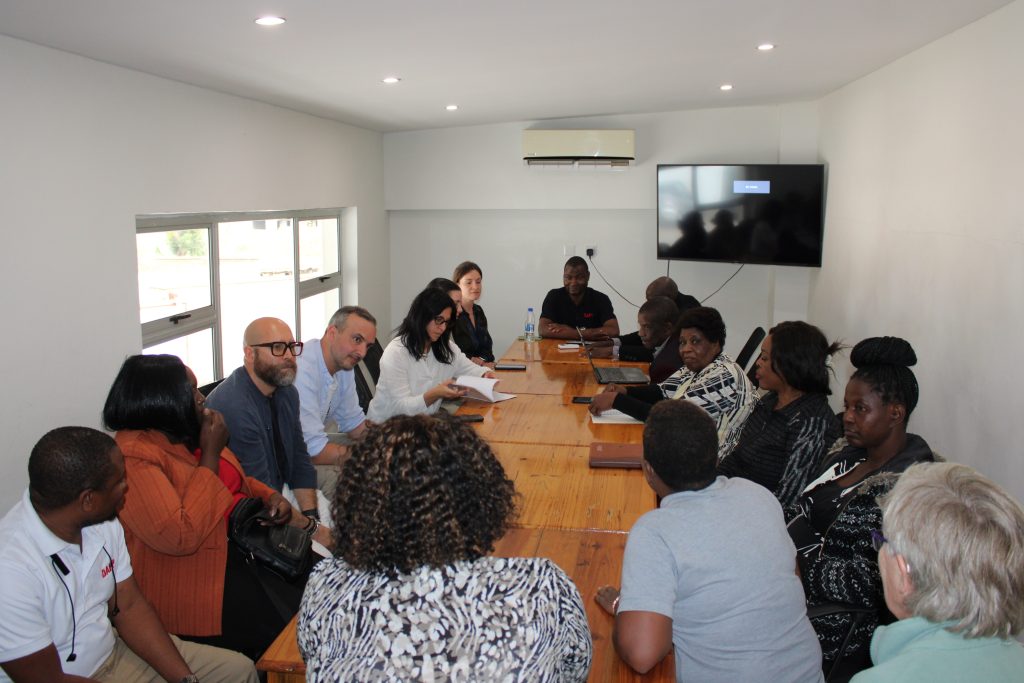
The collaboration is strong considering that DAPP as a number one outlet of second hand clothes in Malawi, therefore, MUFIS has a big membership which some of them, for many years have been trading in second hand clothes which they get from DAPP. The strength of the collaboration also lies on the fact that both organizations focused on the economical-development of the nation as well as the well-being of the informal economy workers.
MUFIS members however, for many times got the opportunity to attend open days by DAPP in its different branches across the country. During these events, MUFIS as an organization get the opportunity to meet with the potential members as well as taken through the process of pricing the clothes from a specific bale. This is beneficial for the organization as it may help them in encouraging their members who does this type of business on what to do for their businesses to be highly profitable.
Expanding Beyond Trade into Skills and Financial Growth
Building on these foundations, the two organizations can expand their joint efforts into other critical areas of socio-economic development. Beyond trading, MUFIS and DAPP can co-design financial literacy programs, establish vendor-specific savings and credit cooperatives (SACCOs), and advocate for micro-loans to help traders scale their operations. Furthermore, by linking DAPP’s extensive vocational training expertise with MUFIS’s deep grassroots reach, they can introduce tailoring, garment repair, and upcycling programs. This would allow vendors to add value to damaged or lower-grade clothing items, reducing waste while generating new revenue streams and fostering a circular economy.
Institutional Alignment and Strategic Governance
To maximize the impact of these initiatives, MUFIS and DAPP must actively strengthen their institutional relationship. They can achieve this by establishing a joint steering committee that meets regularly to align their strategic goals, review progress, and address challenges. Formalizing their partnership through a comprehensive Memorandum of Understanding (MoU) would clarify roles and commit both parties to shared long-term objectives. Additionally, organizing joint advocacy campaigns and co-hosting annual national informal economy forums would amplify their collective voice, making them a more formidable force when engaging with local authorities and policymakers.
Mutual Benefits for Vendors and Distributors
The mutual benefits of this reinforced collaboration are profound for both parties. For MUFIS members, the partnership provides secure access to high-quality merchandise, direct business insights, and a stronger platform to advocate for safer, fairer market conditions and social protection.
For DAPP at large, aligning with a structured labor union like MUFIS ensures a reliable, organized, and ethical distribution network for its products. It also validates DAPP’s broader community development mission by showing a clear, measurable impact on poverty reduction and economic empowerment at the grassroots level.
Future Prospects: Strategic Support and Infrastructure
Looking to the future, MUFIS might make strategic requests to DAPP to deepen their cooperative work. MUFIS could ask DAPP for preferential pricing structures, volume discounts, or flexible credit terms on bales to help small-scale and emerging traders build capital.
They might also request specialized capacity-building workshops on digital marketing and supply chain management. Finally, MUFIS could ask DAPP to support infrastructure improvements at local markets—such as setting up storage facilities or shaded stalls—to improve the daily working conditions and security of the vendors.
Dispelling Myths and Strengthening Global Supply Chains
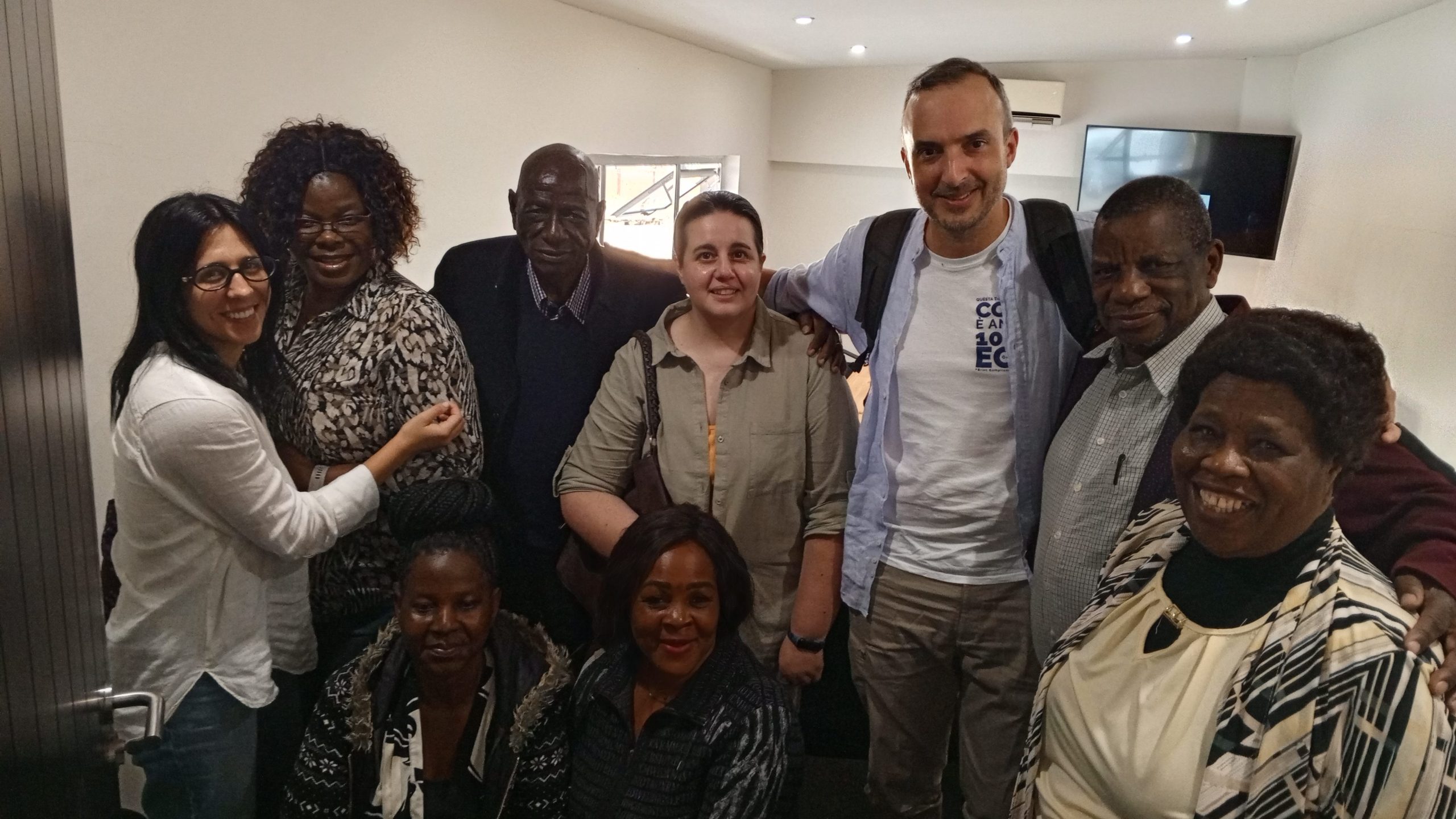
MUFIS also had an opportunity to meet the suppliers of the second hand clothes. Visitors who came from Spain to meet the end-users of the products as some speculated information that these suppliers are sending trash to African countries. Witnessing how second hand clothes changed lives of many Malawians, as well as testimonies from MUFIS leaders and members, it encouraged the suppliers to pull up their socks and send even more products to develop as many people as possible.
During the meeting at DAPP Head Office in Blantyre, MUFIS President, Ken Williams Mhango requested access to technical trainings for MUFIS members that are offered by DAPP in their Technical Colleges across the country.