As the 16 Days of Activism concludes, we must move beyond awareness to dismantle the economic precarity that traps women in cycles of violence.
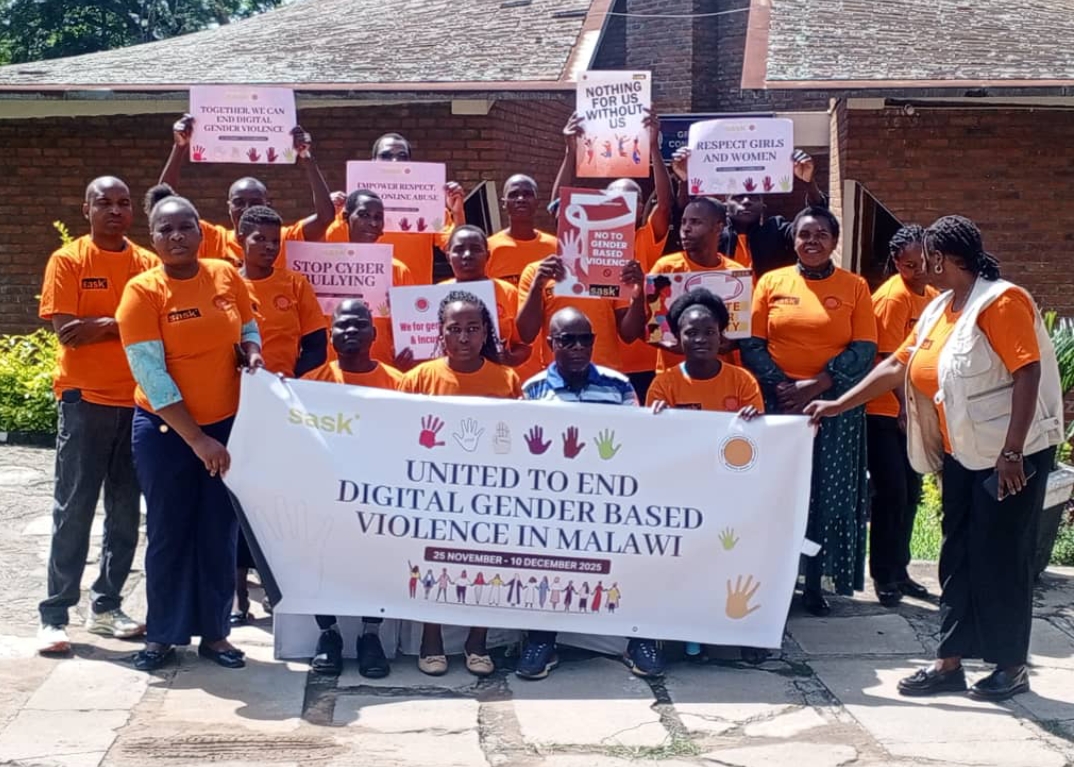
Between November 25 and December 10, the world is painted orange. A color that symbolizes hope and solidarity for the 16 Days of Activism against Gender-Based Violence. Groups of activists, organizations, social workers and the victims gather and march in solidarity to condemn the violence against women and girls as a grave human rights violation.
However, to truly dismantle this violence, we must follow its roots into the shadows of the global economy and the margins of our cities. We must venture into the informal sector, where a street vendor operates without a contract, social protection and recognition, and into informal settlements, where a family’s home rests on the threat of eviction.
Here, in the pervasive realm of informality, defined by a profound lack of legal protection, social security, and durable safety, vulnerability is not just an individual circumstance but a systemic condition. By exploring the lived realities of informal workers and residents, we expose how precarity becomes a breeding ground for abuse and a formidable barrier to escape, making the formalization of rights a cornerstone of any meaningful prevention strategy.
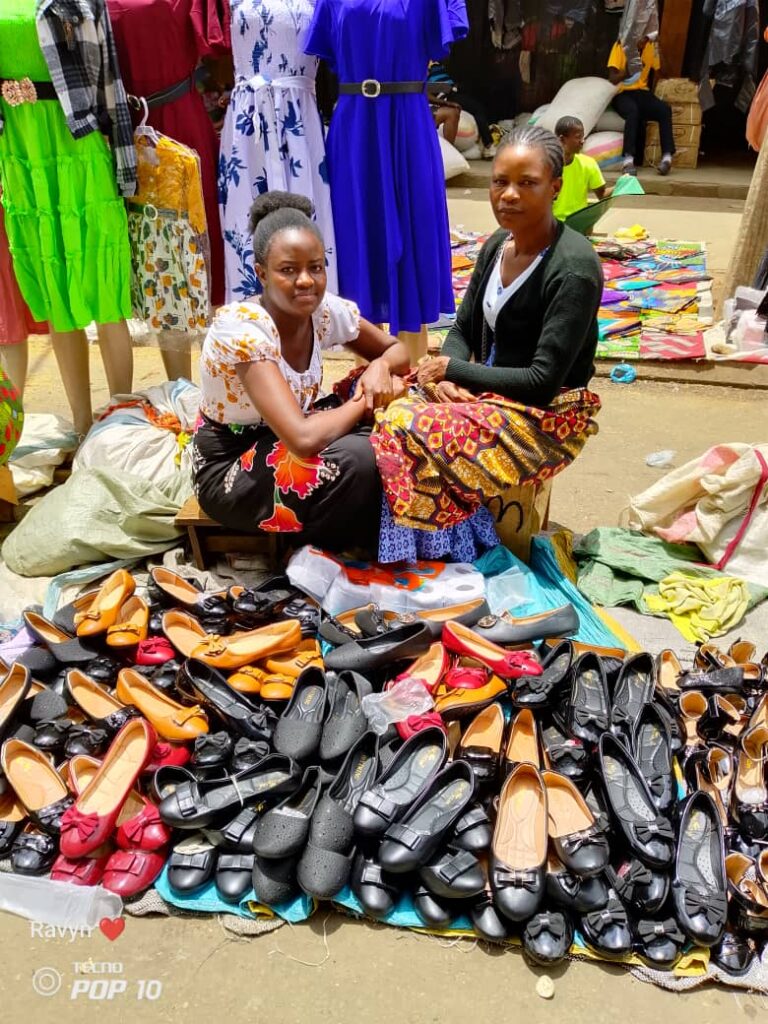
“I have faced occasional harassment from Competitor trying to intimidate me into closing my business. I responded by reporting it to local authorities (Limbe Market Chairman). The decision was a little bit hard, I feared retaliation, but it was eased by the Support I got from my fellow vendors and family,” said Grace Lubaini.
Zione Nyirenda, Projects Coordinator for Hotel, Food Processing and Catering Workers Union said that
“As Unions, we received reports of violence and harassment of which many reports show that they have realized after sharing their stories with some people, however, there are some who chooses not to report these cases anywhere because they feel shy to step forward or their cultural values is preventing them from taking action, but in fact the cases are there”
Framing the Link Between Informality and Vulnerability
The annual 16 Days of Activism against Gender-Based Violence campaign, casts a global spotlight on a pervasive human rights violation. To move beyond awareness toward meaningful action, we must interrogate the environments where this violence is most entrenched. A critical and often overlooked context is informality. The vast economic development backbone where legal protections are absent. From the street vendor without a formal contract to the family residing in an informal urban settlement.
This systemic vulnerability is not incidental to gender-based violence; it is a primary enabler. The very conditions of informality which includes economic dependence, fear of income loss, insecure housing as well as invisibility to formal support systems, create a landscape where abuse can flourish and escape routes are systematically blocked. Therefore, the fight to end violence against women is indistinguishably linked to the struggle for economic justice and secure tenure.
“Sometimes, the main challenge is that the perpetrators of violence are the senior managers of workplaces, the middlemen, and even the customers. In that case, a victim might notice that she’s being violated, but due to financial challenges, she chooses to keep it to herself in fear of being dismissed or losing income sources,” Zione said
Agreeing with Zione, Grace Lubaini, who sell shoes in Limbe Market said that “The fear of losing Income makes me Cautious in my business choices, sometimes preventing me from taking risks or Investing in growth. It pushes me to prioritize safe, low risk strategies to protect my livelihood.”
Illustrating the Mechanisms and Barriers
This intersection manifests with devastating clarity. A woman working in the informal economy, who may face harassment from a supplier or exploitation by an employer, is often forced to choose between her safety and her livelihood, as reporting abuse could mean losing her only income.
“As a country, what we really need is a massive awareness campaign on reporting mechanisms. This is in the sense that it seems that many people do not have knowledge of where and how to report when they face the challenge, even though there are some who just take it as a normal life,” Zione explained.
She also added that as Trade Unions, we need to make noise in the communities since it is not only in the workplaces where people experience violence and harassment. So we need to speak up on the ratification of the ILO Convention 190 and Recommendation 206 so that there will be sanity.
Consequently, the campaign’s call for prevention must champion policies like the ratification of ILO Convention C190 against workplace violence and initiatives that promote the formalization of work and land rights, recognizing that safety from violence begins with security in one’s job and home.
As the orange banners of the 16 Days campaign are folded away for another year, our call to action must extend beyond condemning violence to actively dismantling the architectures of precarity that enable it. The path forward demands that we tether the global imperative to end violence against women to the concrete goals of ratifying ILO Convention C190, enforcing safe work standards, securing land tenure, and designing support services that reach the most invisible.
To protect women, we must secure their livelihoods and their homes. Ultimately, achieving a world free from violence requires building a world where every woman’s work is recognized, her dignity is protected by law, and her right to a safe home is unassailable, a world where informality is no longer a landscape of risk.