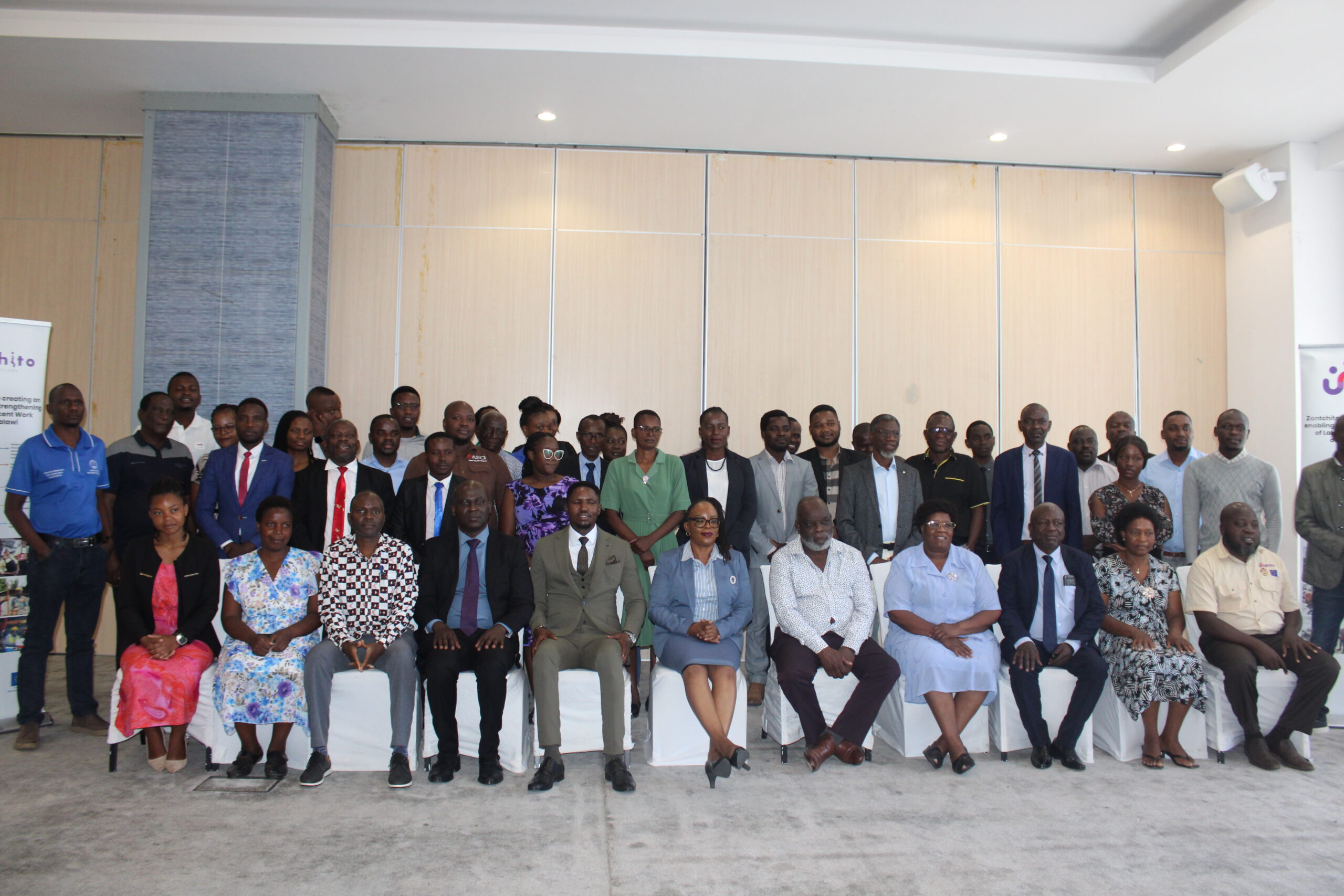
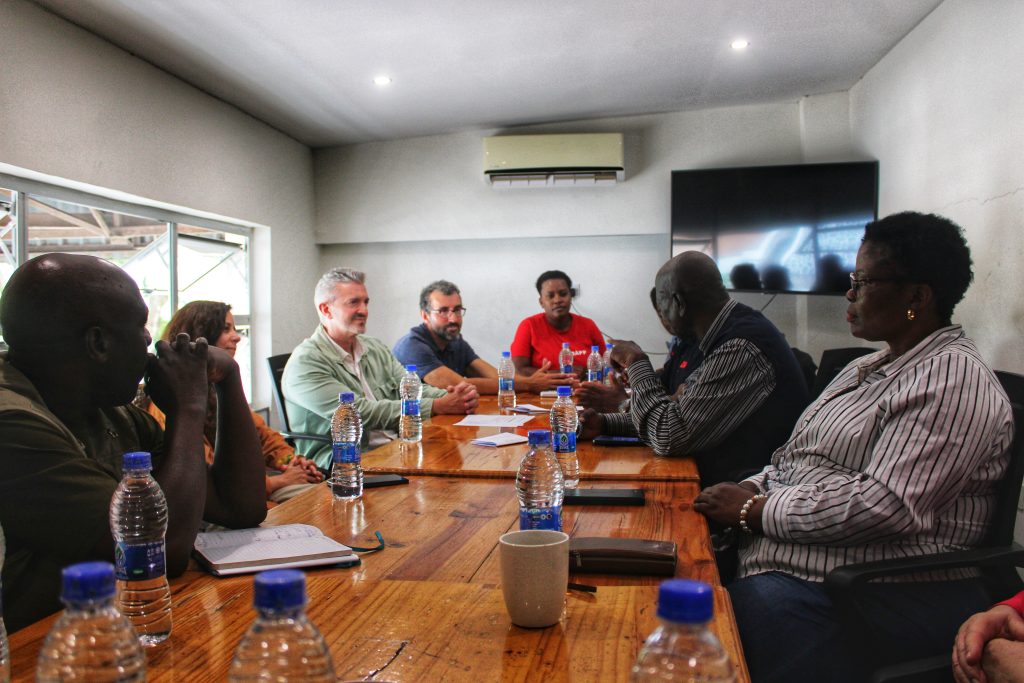
In a landmark meeting held at the DAPP offices in Blantyre, the Malawi Union for the Informal Sector (MUFIS) and Development Aid from People to People (DAPP) Malawi reaffirmed their commitment to safeguarding the second-hand clothing trade, a sector described as the “lifeblood” of the nation’s informal economy.
The meeting, opened by DAPP representative Angelina, served as a critical platform to address growing international pressure from European nations seeking to ban the export of used textiles to Africa.
A Massive Economic Engine
Addressing the delegates, MUFIS President Comrade Ken Williams Mhango highlighted the staggering scale of the industry. With a registered membership of approximately one million traders, Mhango noted that MUFIS members represent the largest consumer base for DAPP’s second-hand clothing imports.”If the governments were to ban second-hand clothes, I see many people suffering,” Mhango warned. “Many will go poor as thousands of families depend on this business for daily survival. Beyond the traders, it is a matter of dignity for the average Malawian; many cannot afford to buy new clothes from shops.”
The partnership between the two organizations is long-standing. William Haji of MUFIS noted that DAPP frequently uses its “Open Days” to help MUFIS organize and recruit members, creating a symbiotic relationship between the supplier and the grassroots union.
Refuting “Waste Colonialism”
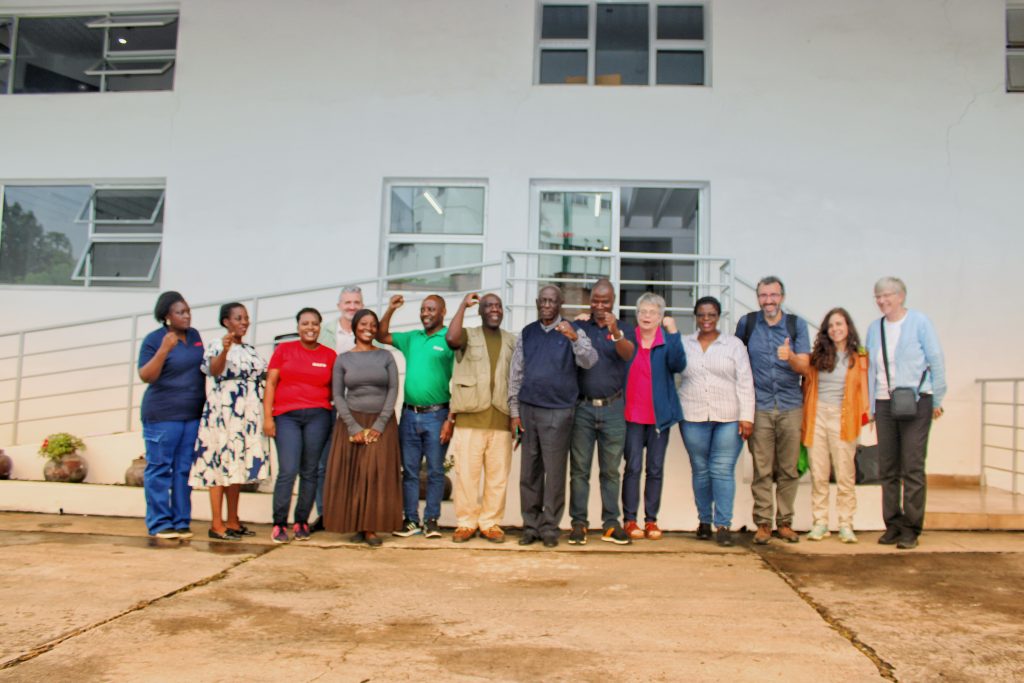
A key highlight of the event was the presence of visitors from Spain, who traveled to Malawi to investigate allegations by some European countries that used clothing exports are merely “sending trash” to Africa.
After touring the Limbe market and witnessing the bustling trade firsthand, one Spanish delegate admitted the reality on the ground told a different story. “We were sent to witness if these clothes are useful or if they are just waste. Having seen the positive impact—not just environmental through reuse, but economic and social—we are going to report back to our government and donors. By not throwing these clothes into the garbage in Spain, we are creating a life for many people here.”
Voices from the Market: The Human Impact
For the vendors on the front lines, the second-hand clothes business is more than just trade; it is a ladder to self-sufficiency.”This business is my office,” shared one female vendor at Limbe Market. “It is how I put food on the table every single day. Because of these clothes, I have been able to invest in my small farm and, most importantly, I am paying the school fees for my children so they can have a better future.”
Another seller emphasized the accessibility of the trade: “You don’t need a degree or a massive building to start. You can start with a small bale and grow. It has given us a way to be independent instead of waiting for help that never comes.”
The Road Ahead
Despite the success, Comrade Mhango outlined several hurdles facing the union. He called for the establishment of MUFIS offices in every district to better track and support mobile vendors who move between rural markets.Looking to the future, Mhango proposed a deeper integration with DAPP’s educational infrastructure. “We request that DAPP considers accommodating MUFIS members in their colleges. This would equip our traders with professional skills to grow their businesses,” he said.
The meeting concluded with a joint pledge to environmental conservation, with both organizations committing to a nationwide tree-planting initiative, aligning the economic benefits of the clothing trade with DAPP’s core ecological objectives.