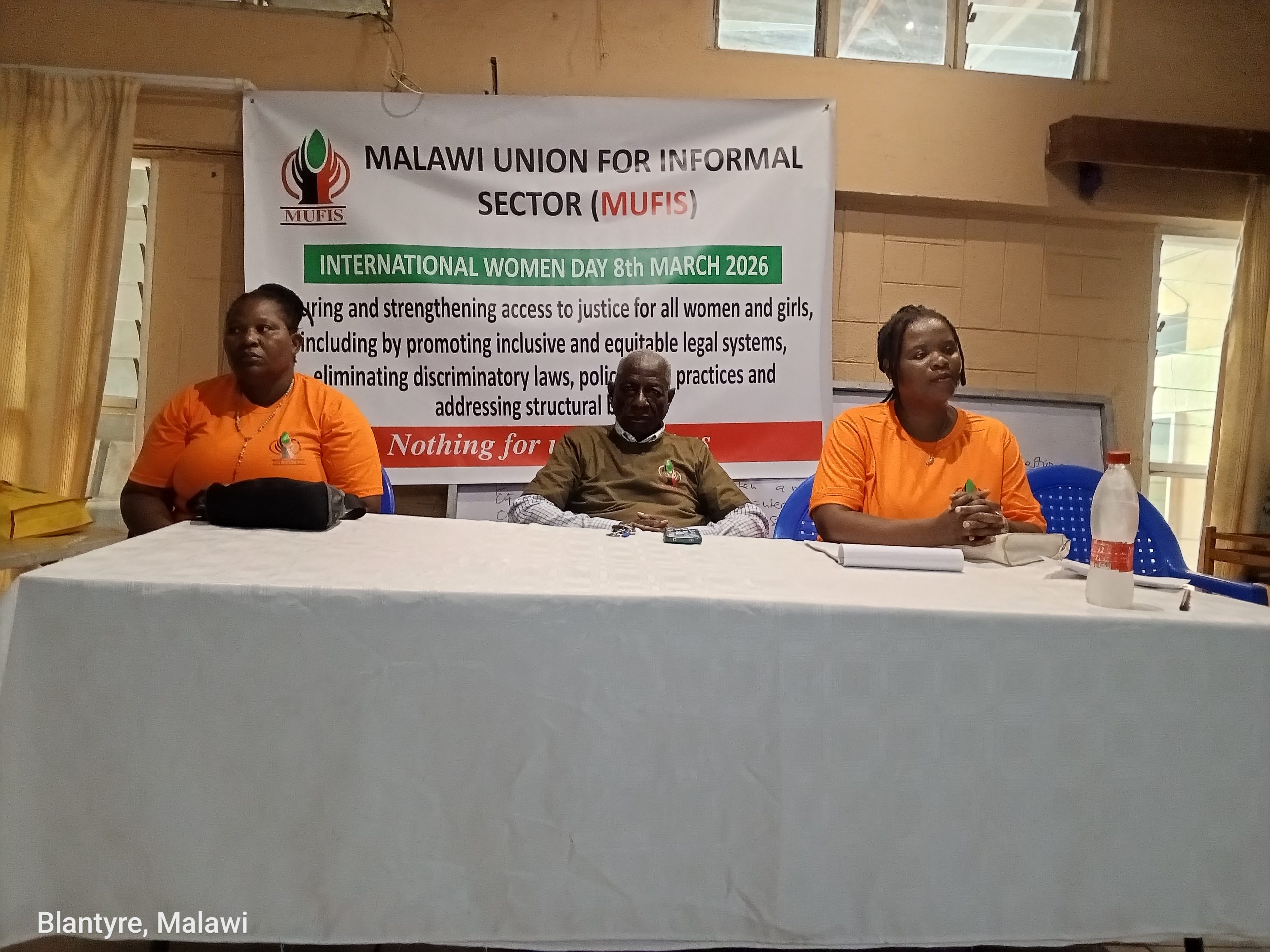
At the World Hypertension Day commemoration in Blantyre, officials call for urgent workplace wellness programs to protect employees from a hidden health crisis.
This article was written by Uthman Kaisi
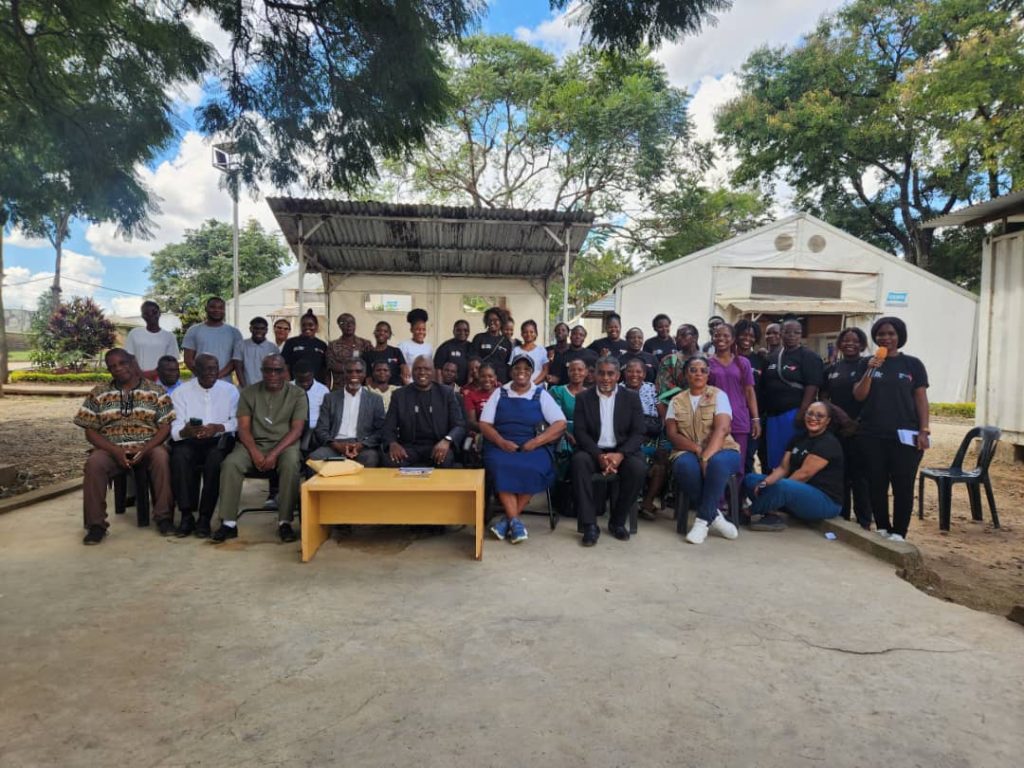
In bustling market places and quiet boardrooms alike, an invisible health crisis is quietly unfolding. World Hypertension Day serves as a powerful reminder that behind staggering global statistics are everyday individuals whose health and livelihoods hang in the balance of a routine blood pressure check.
In Malawi, this day was commemorated on Friday, 15th May 2026 at Queen Elizabeth Central Hospital in Blantyre under the theme “Controlling Hypertension Together: Check Your Blood Pressure Regularly, Defeat the Silent Killer” in an event organized by Queen Elizabeth Central Hospital.
An Occupational Hazard: Hypertension in the Workplace
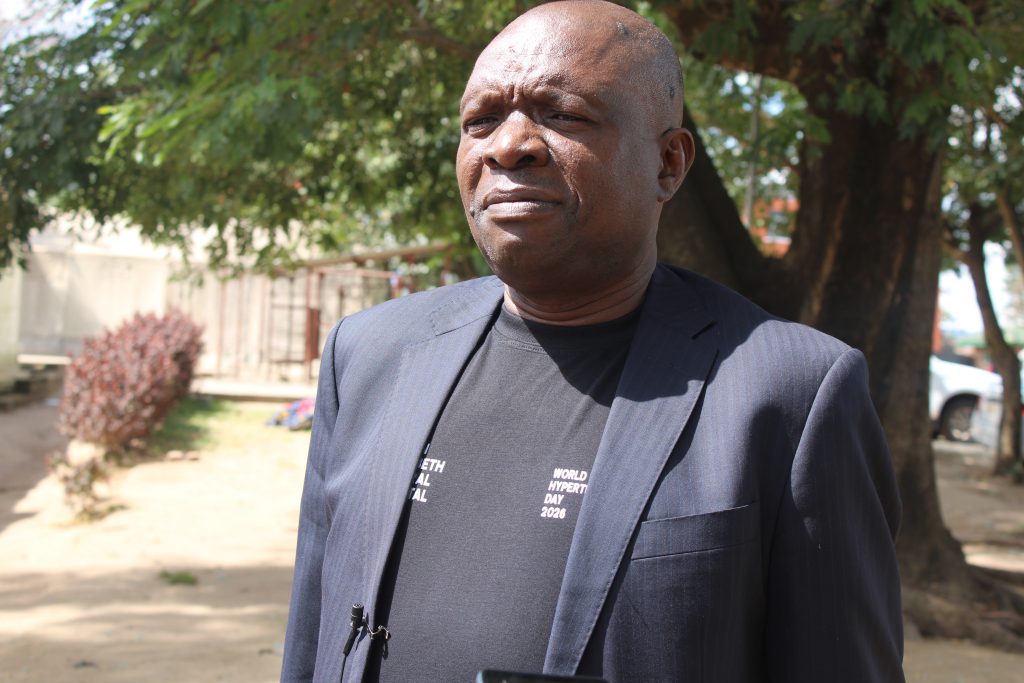
Speaking during the event, the Guest of Honor, Schubert Zgambo, Regional Occupational and Health Officer in the Ministry of Labor Skills and Innovations said that Hypertension is a critical workplace and occupational concern that directly impacts productivity and employee well-being.
“Even though it is not officially listed on the legal schedule of industrial diseases, it is a leading factor for death and disability globally. Because the work environment is affected addressing it aligns with the fundamental right to health, safety and decent work, making workplace wellness programs increasingly essential” he said.
He also added that hypertension is a dangerous, chronic condition that damages the body silently and requires deliberate management.
Reaching the Informal Sector and Communities
In an interview with Mwanda Chiwambala, General Secretary for Malawi Union for Informal Sector (MUFIS), emphasized the importance of educating people in different sectors in the country as many people are dying silently.
“Government and non-governmental organization should look into sensitizing people about hypertension, which many people in Malawi refer to it as BP. We should encourage people that wherever there is a gathering, they should invite medical practitioners to come and sensitize people on hypertension so that everyone should be aware of the signs, symptoms as well as the preventive measures” said Chiwambala.
Chiwambala however, noted that the commemoration was supposed to have people like employers and employees as well as people from all working sectors, thus, formal and informal which were not present at the event.
“What I would suggest for the organizers, should look into tis issue widely because there are many people who are in the informal sector, offices, markets as well as the employers, all of them were supposed to be here so that they should here what hypertension is. A lot of people are dying because many people are not aware of what really hypertension is so it could have been better if all of them were included in this function” said Chiwambala.
Bridging the Gap Between Employers and Workers
Agreeing with Chiwambala, Kelvin Chifunda, President of Malawi Congress of Trade Unions said that despite the day being more important to everyone, it sidelined people who were supposed to be present in the event.
“The event organizers should have been invited employers as well as workers. The employees are the ones who are mainly affected because at times they fall sick and denied to seek medical attention by the managements that leads to loss of lives if the illness is as critical as hypertension” said Chifunda.
He also added that it is his wish that next time when planning for these commemorations, there should be a proper planning by inviting employers and employees so that the employees should speak out on what they face in the working places so that the employers can also speak on their behalf to find a way forward.
He also encouraged every single person to have time and visit the hospital to be tested for hypertension for the betterment of the lives.
A Collaborative Path Forward
Ultimately, the commemoration of World Hypertension Day in Malawi laid bare a crucial truth: defeating the “silent killer” requires an active partnership between the healthcare sector, employers, and labor unions. By framing hypertension not just as a medical issue but as a critical occupational safety concern, stakeholders have a unique opportunity to build healthier work environments. Ensuring that employees in both the formal and informal sectors have the time, education, and resources to check their blood pressure could mean the difference between life and death. Moving forward, open dialogue and inclusive planning will be the vital keys to transforming workplace wellness from a policy discussion into a life-saving reality.
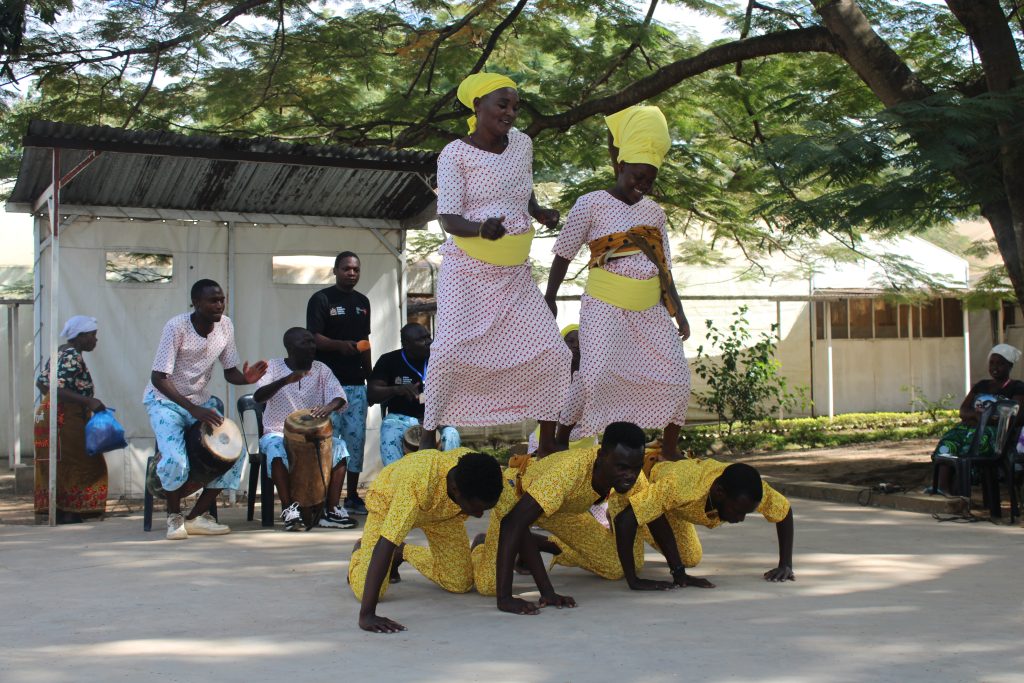
The event was spiced up by speeches, plays and traditional dances. World Hypertension Day falls on 17th May every year.